The school dormitory currently hosts 200 junior high and high school students. Some are from Japan and others
are from various countries around the world. Through the experience in the dormitory, they learn to think how
they can make life better together and cultivate self-esteem and respect others. The dormitory prepares
students to be independent and active on the global stage in the future.
Start from Meikei to reach the world!
Growing Together Beyond Borders!
As a Super Global High School, we thrive to educate students as world citizens regardless of our differences. The friends you make at Meikei will be your friends for life. Soon, you might be reunited with them somewhere around the world. Start from Meikei to reach the world!
About
Meikei High School
Our Mission
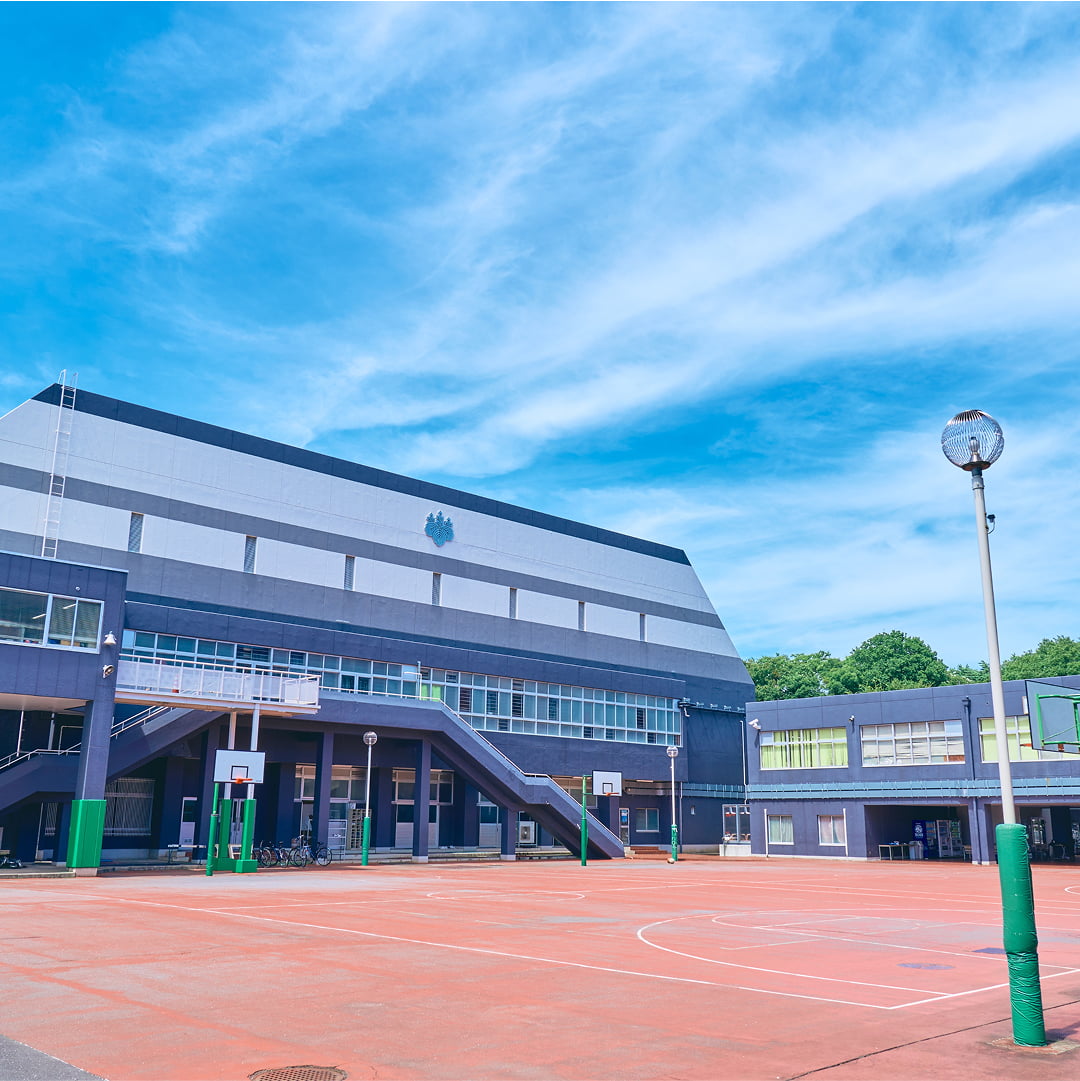
“We aim to nurture young learners who contribute to the humanity and the nation, with well-balanced intellectual, moral, physical abilities and rich creative thinking skills.”
In 1979, Meikei High School was founded by Meikei Kai, the a lumni association of the University of Tsukuba, to provide education to the children of researchers in Tsukuba, the international Science City of Japan. Since then, we have been committed to holistic, all-round education that values students’ decision-making power, resilience, and a rich sense of humanity.
Our History
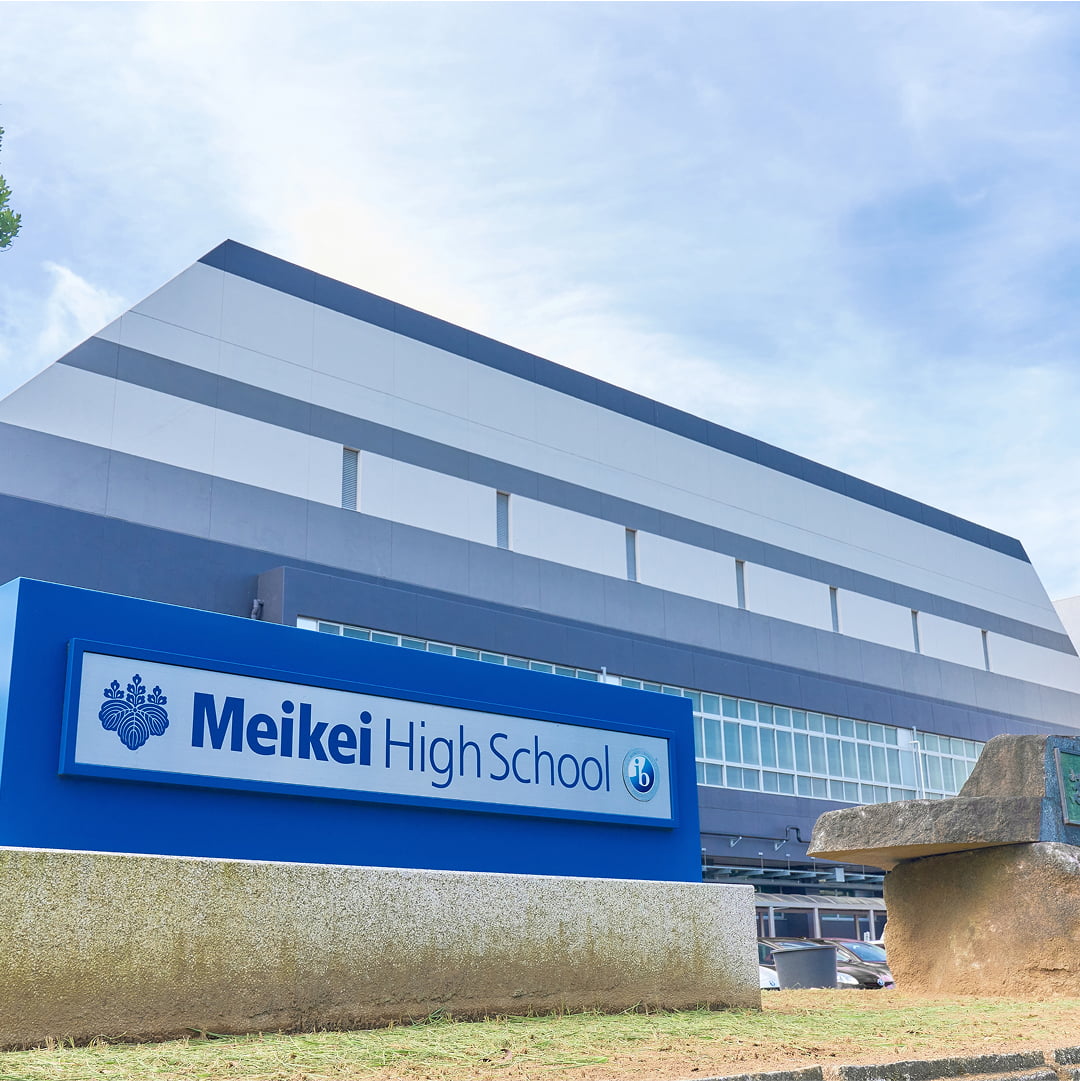
Meikei High School was founded as a progressive education school by Meikei Kai, the alumni association of Tokyo Normal Higher School (the first teacher-training school for secondary-level education in Japan, currently known as the University of Tsukuba), which has a history of 130 years. Our creative education has fostered the unique characteristics of each student. Many Meikei graduates have achieved outstanding success in various fields including scientific research, medicine, business, education, and arts in both domestically and internationally. Their achievements are the proof of the significance of Meikei education.
To Be a Global School
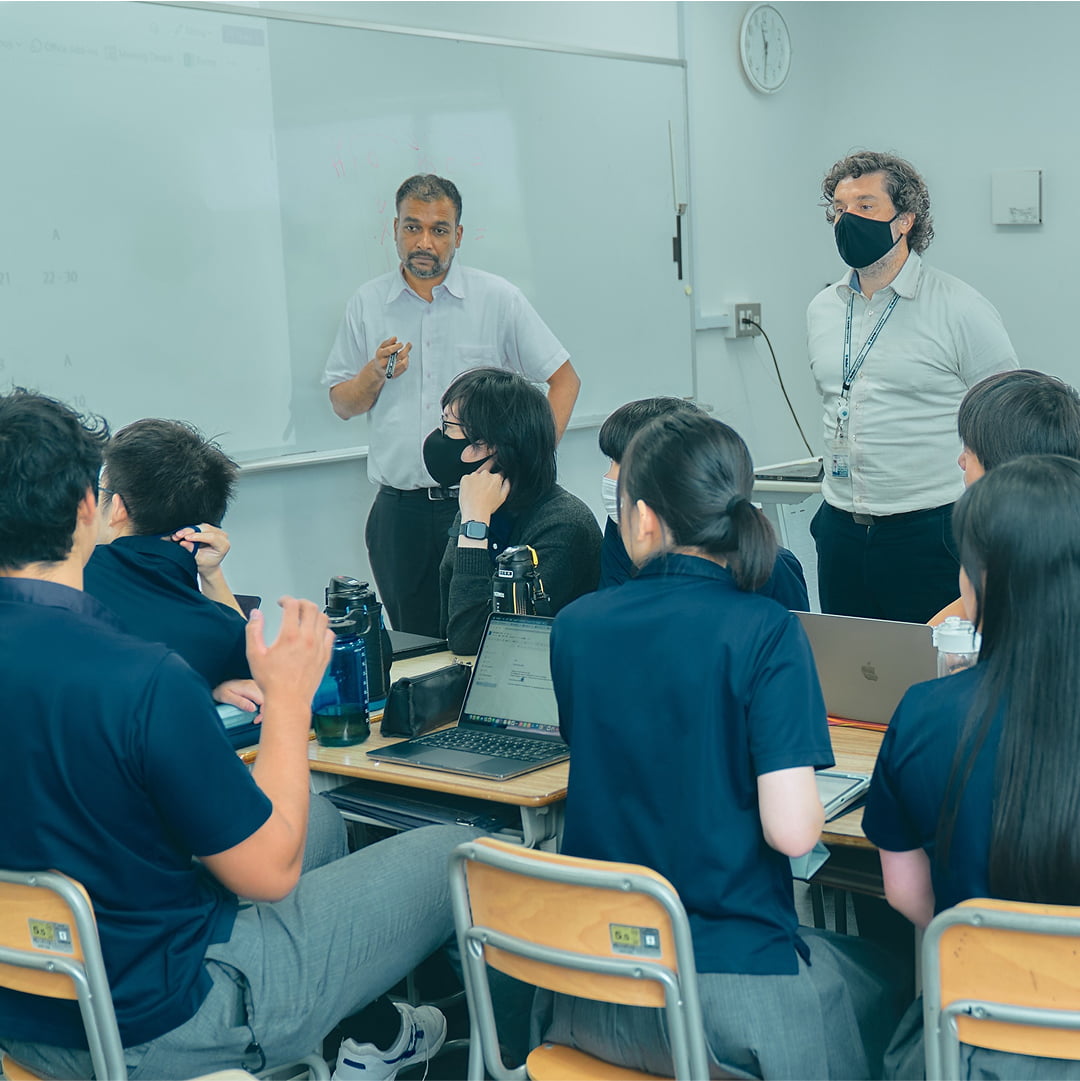
Meikei High School has accepted many “returnees,” or Japanese students who have lived abroad. We currently have approximately 250 returnees, which corresponds to about 17% of the total student population of 1527.
Our school is also characterized by the diverse international students from Europe, America, and Asia, and other regions. In recent years, we have signed agreement with many prestigious schools around the world. About a total of 200 students visit our school for academic, cultural and sports exchange, and various school experiences.
Our Two Courses
MG and IB
MG Course
Japanese Curriculum
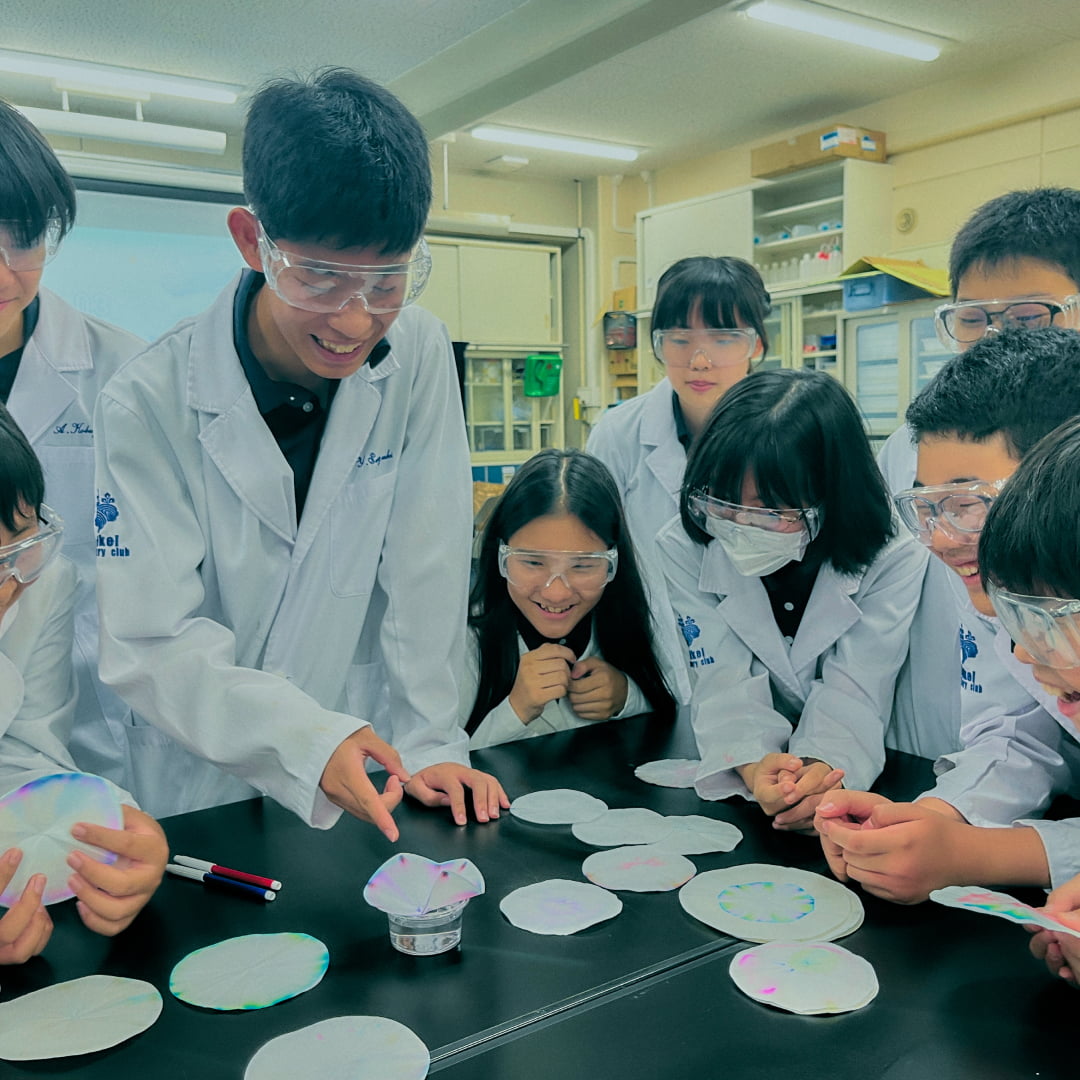
MG course is for those who aspire to go a university in Japan. To study in MG course, students need to have JLPT N3 or higher level of Japanese proficiency at the beginning of Senior 1. International students in MG course study most subjects with Japanese students. Some subjects such as classic Japanese and social studies have special classes for students with no or limited Japanese educational background, so they can start learning from the basics.
-
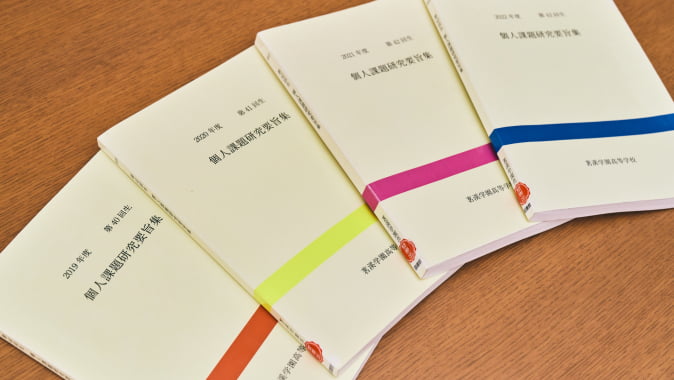
- Students study a wide range of subjects, including humanities, science, physical education, and arts. At the end of the academic year, they undertake the “Individual Research Project.” Throughout the project, they explore their field of interest, which provides them food for thought in considering their future career.
-
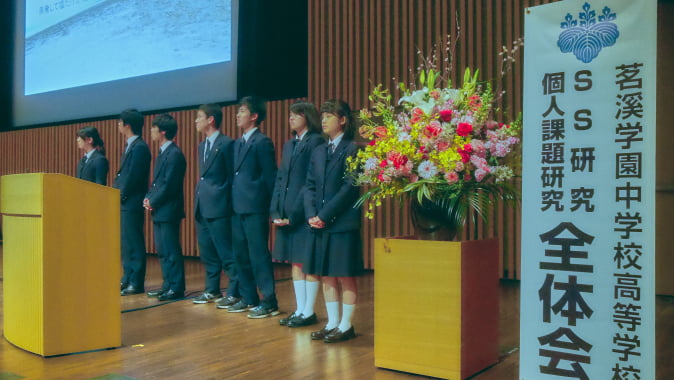
- Students select suitable subjects
considering their career after graduation.
Most subjects are elective, and students engage in more specialized and advanced learning. Meikei High School is particularly strong in science, and more than half of the students pursue the path in science.
-
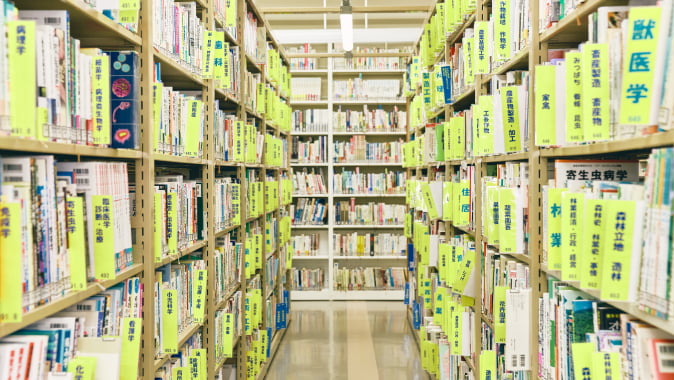
- Students plan and prepare thoroughly for the university entrance examination.
- After graduation
- With a Japanese high school diploma, most students enter universities in Japan. They take various paths including humanities and arts, and many students proceed to the science and medical field.
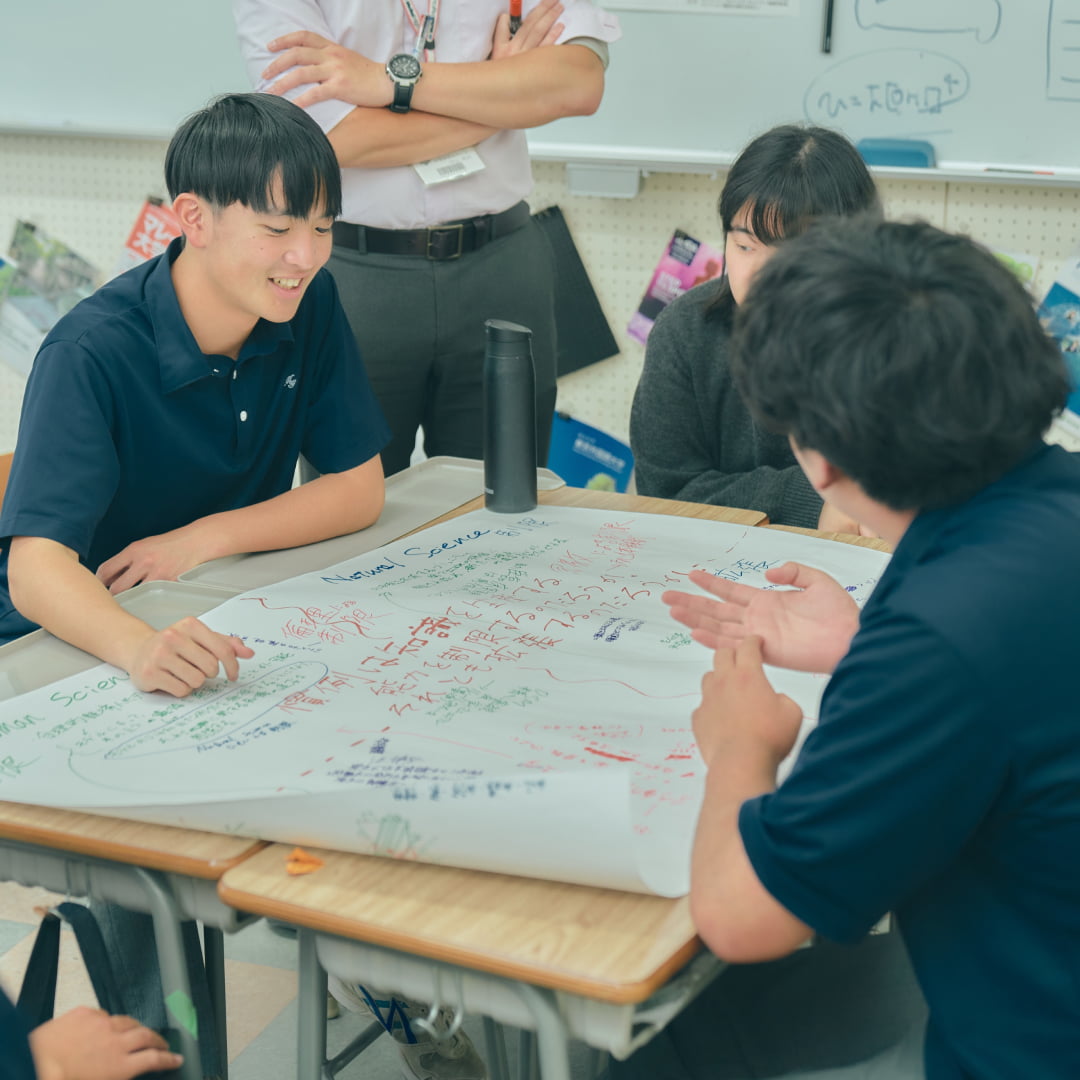
IB Course
A Worldwide-Standard Curriculum
The IB course is suited for those who aim for admission to both Japanese universities and universities worldwide. In the IB course, Senior 1 students can take many subjects in both Japanese and English. From Senior 2, they may take all subjects in English. Therefore, even non-native speakers of Japanese can earn credits in English.
-
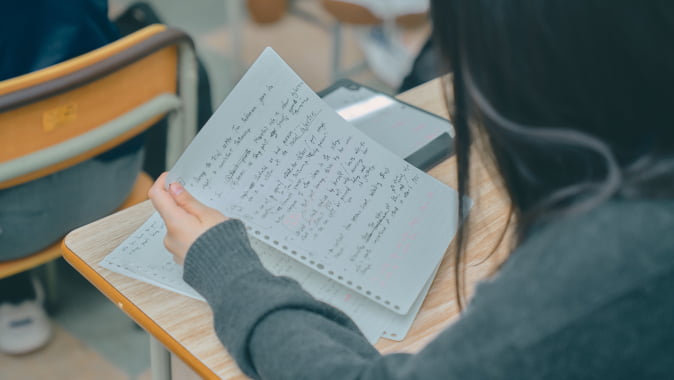
- It serves as a preparatory period for the IBDP course. While students mainly follow the Japanese curriculum, they also start their study in the IB curriculum using
both Japanese and English. From January of Senior 1, they begin to the worldwide-standard curriculum.
-
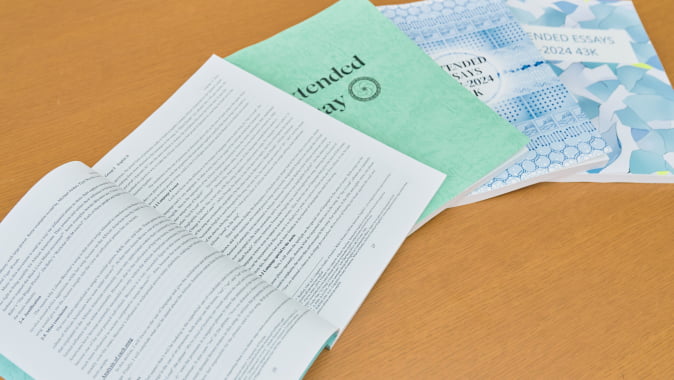
- The IBDP is not only an effective preparation
for university admission, but it is also a high-level, balanced program that cultivate necessary skills for life. It is composed of
three core elements, namely “Theory of Knowledge” (TOK), the “Extended Essay”
(EE), and “Creativity, Activity, Service” (CAS), and six-subject groups, which offer students with detailed and diverse learning opportunities. Students may take most subjects required to earn diploma in English,
by selecting classes delivered in English.
-
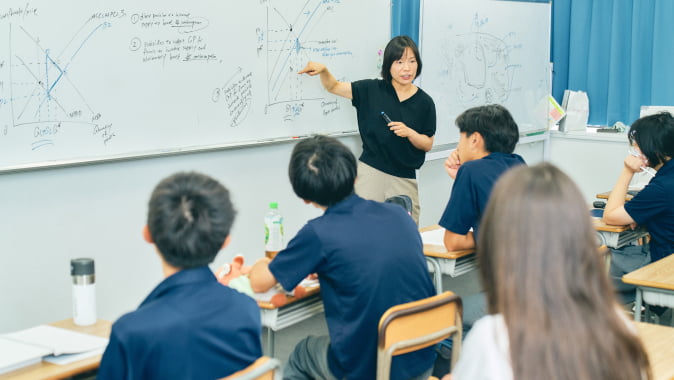
- Students take the final exam in November to obtain an IB diploma. Depending on the score
of the exam, they decide which universities to apply for.
- After graduation
- With both a Japanese high school diploma and an IB diploma, students
can obtain admission to both public and private universities in Japan, and also to some top-level universities overseas.
Dormitory Life
Safety and Health Management
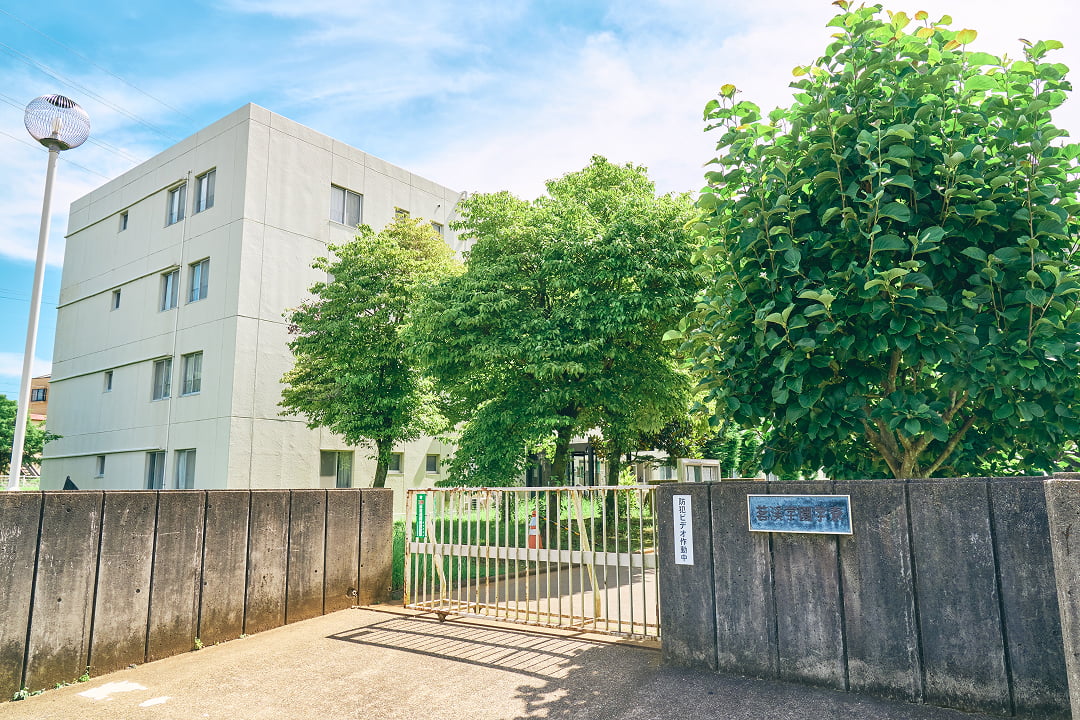
There are four separate houses for junior high and high school boys and girls. On each floor resides a staff member called a "house master" with their family. The school principal also lives in the dormitory and supports students. In case of illness or injury, an on-site dormitory nurse takes care of the students promptly.
Dormitory Meals
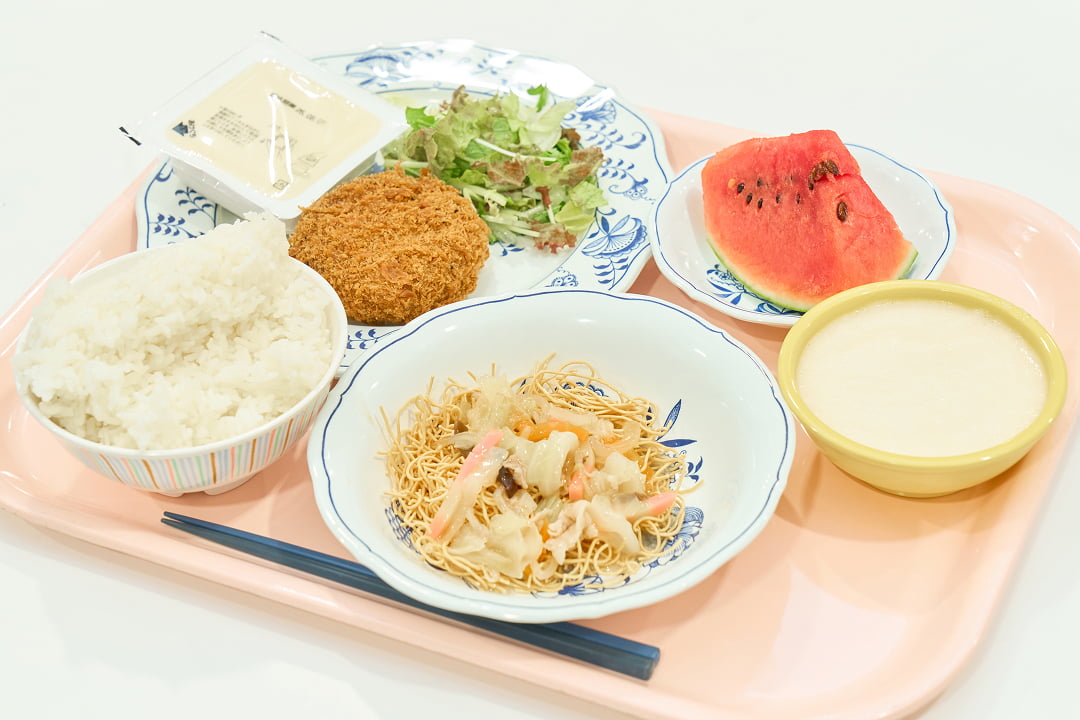
Meals are served three times a day (breakfast, lunch, and dinner) in the dining hall next to the dormitory. Cooking staff prepares nutritionally balanced meals under the supervision of a certified nutritionist. Once a month, there is a “special menu” based on the students' requests
Rooms and Facilities
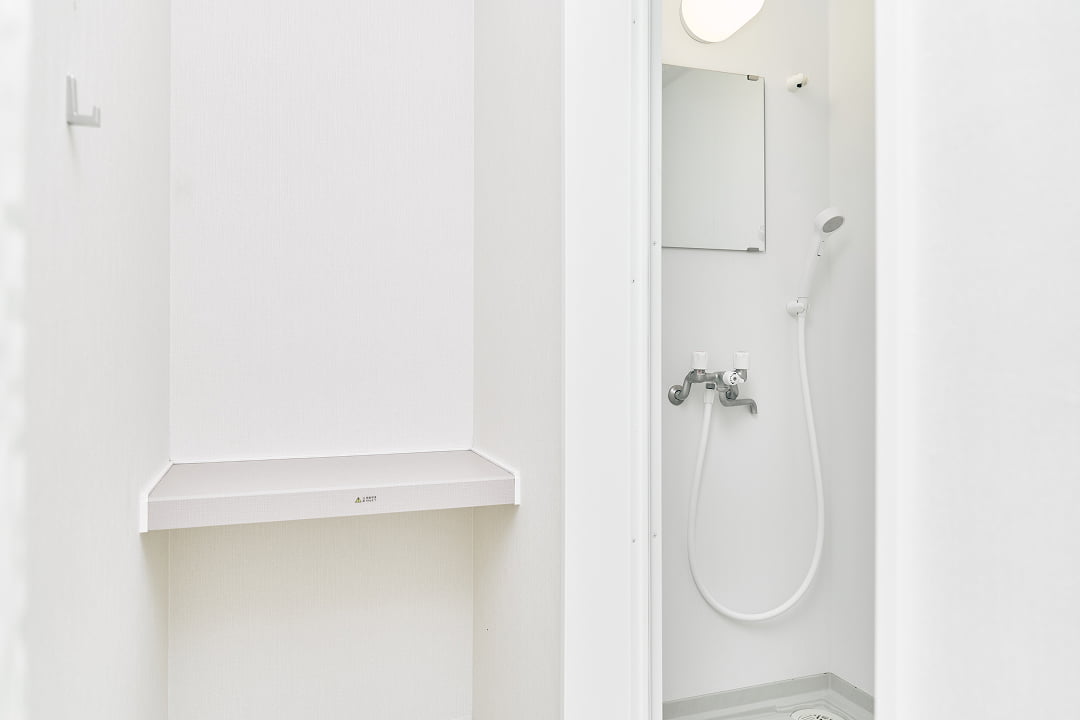
In the high school students’ dormitory, each room accommodates two students and is divided into living and study areas. Each floor is equipped with washing machines, a fridge, a microwave, and a hot-water server. There is a public bath and private shower booths and students can bathe during designated hours in the morning and evening.
Studying and Learning Opportunities
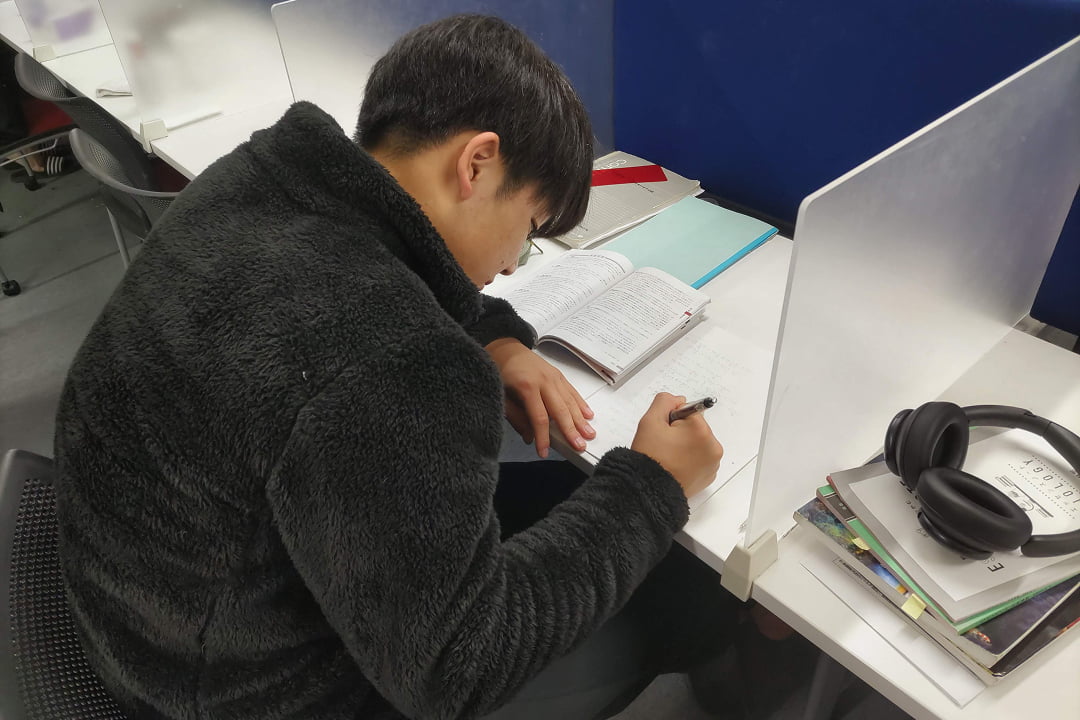
Every evening, dormitory students have a self-study time. It allows them to establish a regular study routine and deepen their thoughts. They can also attend individual tutoring sessions to overcome their academic weaknesses or prepare for university exams. Furthermore, students can take private lessons to learn languages such as Japanese, Spanish, German, Chinese, or practice instruments such as the piano and violin. The dormitory is ready to offer students various customized learning opportunities.
Extra-Curricular Activities
Extra-curricular activities are a unique part of Japanese school culture, and the best opportunity for
international students to make friends with others. Find your favorite clubs and enrich your time at Meikei High
School!
sporting
About 60% of the students belong to sport clubs and many perform brilliantly at the national level.
-
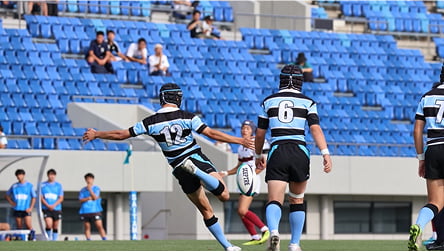
Rugby -
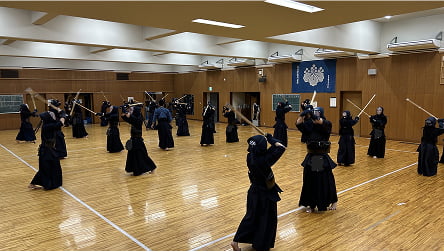
Kendo -
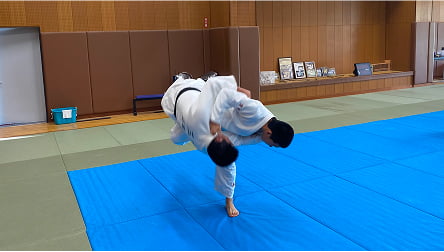
Judo -
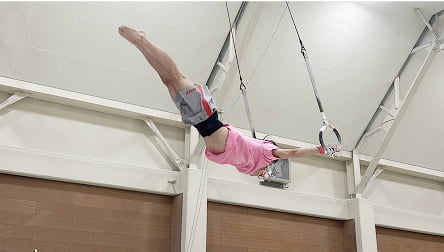
Gymnastics -
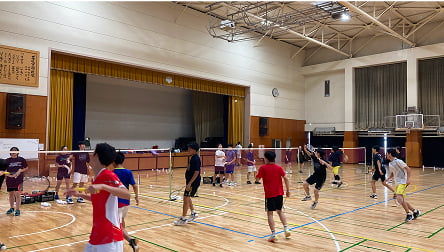
Badminton -
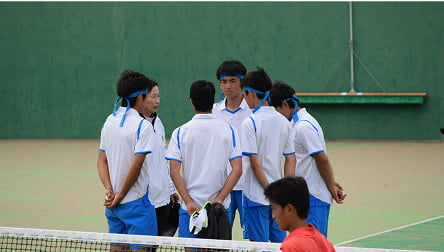
Tennis -
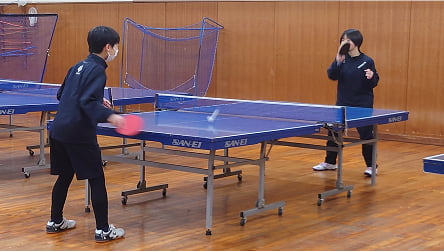
Table Tennis -
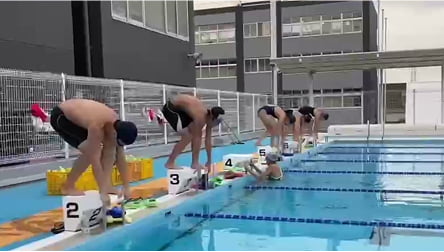
Swimming -
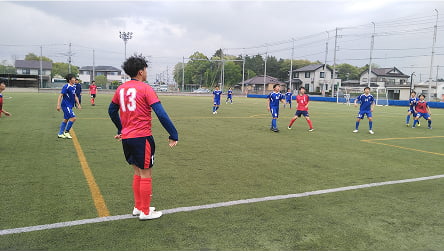
Soccer -
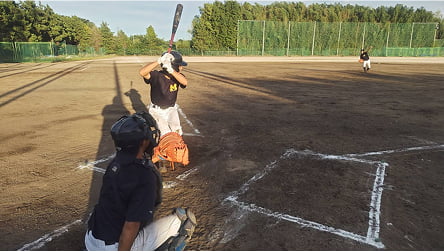
Baseball -
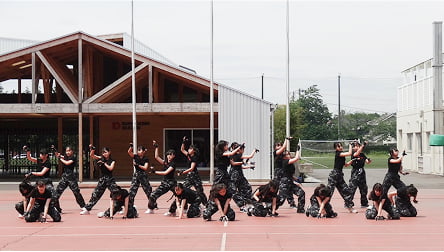
Dance -
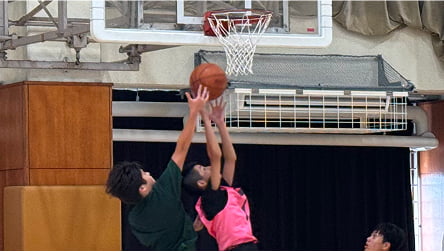
Basketball -
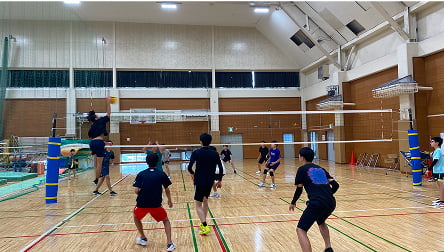
Volleyball
cultural
About 40% of the students are the member of cultural clubs. Some clubs have more than 100 students. Some clubs such as the Science, Art and Calligraphy clubs receive high evaluations and have won awards at national-level contests and competitions.
-
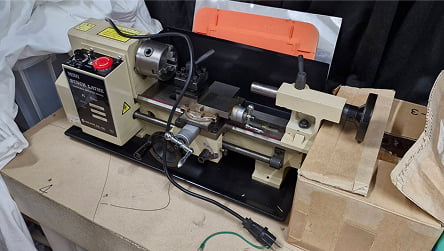
Science -
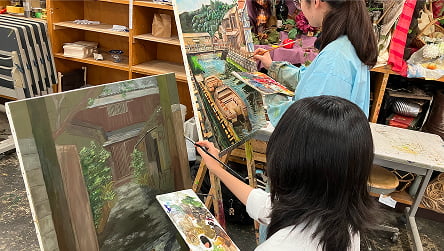
Art -
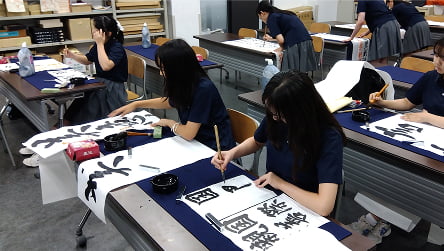
Calligraphy -
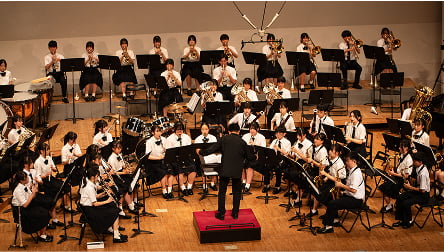
Wind Orchestra -
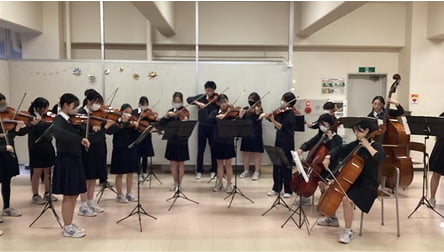
Chamber Music -
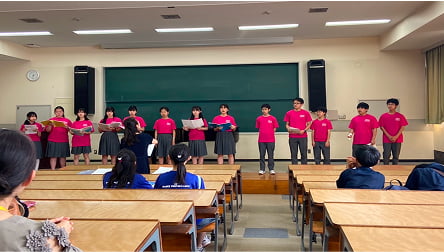
Chorus -
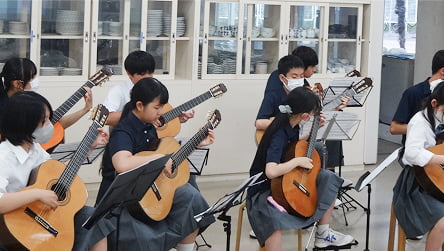
Guitar -
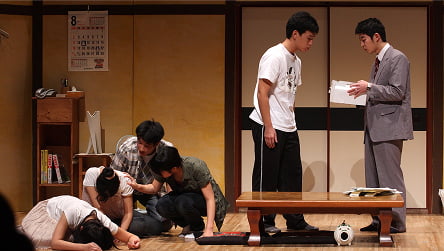
Drama -
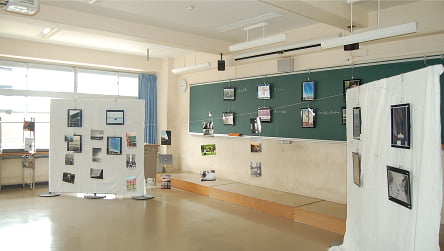
Photography -
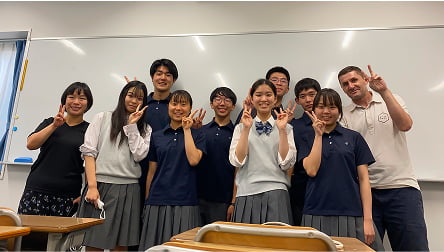
Language
Overseas Sister Schools

Our school has sister school partnerships with many schools around the world. Students from these sister schools visit our school for short courses lasting from four to ten days, or exchange programs lasting from one month to one year.
Entrance examination for international students
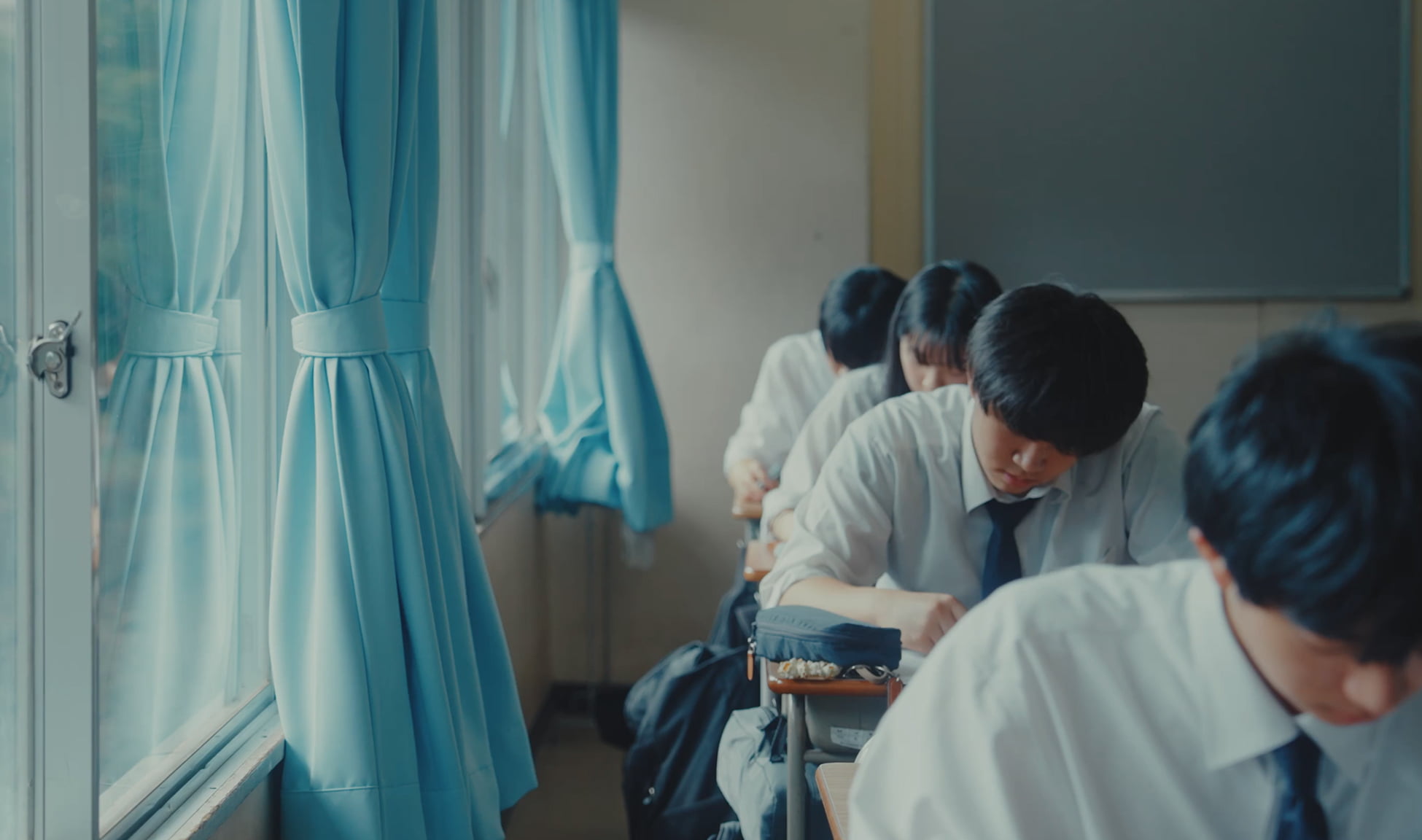
International students can enroll in either the spring or fall semester. Entrance exams for spring enrollment are held in June, and for fall enrollment in November. The entrance exam consists of written tests in mathematics, English, and Japanese, as well as interviews. Interviews are conducted individually and with family members.
Contact us
to International Student Center
Mail to
For inquiries, please use
this email address.
Email : international@meikei.ac.jp
Web site
Visit the International
Student Center website here